
Fairland Previous Residents by Era
Fairland keeps no separate city archive. The trail runs backward through Montgomery County record systems and regional collections instead. A parcel card is a bridge only. It supplies the premises address, parcel identity, last-deed owner, deed reference, and map detail that turn an address search into a document search. Directories and census schedules add dated household clues. Probate, newspapers, permits, and cemetery material can then explain a move or a transfer.
| Source | Years It Covers | Where Held | What It Shows |
|---|---|---|---|
| Montgomery land instruments | July 1777 onward | Circuit Court, MDLandRec, State Archives | Conveyances, liens, plats, party names, liber and folio |
| SDAT parcel card | Current and recent assessment or sale data | Maryland SDAT and County GIS | Parcel identity, last deed owner, situs and mailing fields |
| Montgomery History land abstracts | 1777-1865 | Montgomery History | Older names, land transactions, and county context |
| Klinge atlases | 1931-1959 | Montgomery History map collections | Ownership, development, liber or folio references |
| Directories and census | Directories from 1912 with gaps; census through 1950 | SSHS, LOC, NARA and partner collections | Dated address and household clues |
Begin with the date range that matters. A recent transfer belongs in the deed index. A mid-century address may need a Silver Spring directory plus a map. An early tract can lack a modern street number entirely, so the legal description, neighboring owner, district, or patent name matters more than the word Fairland.
Start Fairland House History at SDAT
The Maryland SDAT Real Property Data Search is the address-to-parcel step for current Fairland work. Pick Montgomery County. Then search by address, street, property account number, map reference, or sales. It offers no public owner-name, town, or ZIP search. Enter the exact number and street first. If nothing comes back, drop the number, try an older spelling or a direction variation, or use an account number from another record.
Save the account or PAN, tax map, parcel, premises address, mailing address, owner field, sale and deed references, and the legal-description wording. The owner field reflects the last recorded deed. A mailing field can differ from the physical premises. Neither field alone proves who occupied the address at a given time. The parcel result makes every later Fairland check reproducible.
- Premises or situs address
- The assigned physical location of the parcel. It can differ from a correspondence address and from an older directory form.
- Property Account Number, or PAN
- The County parcel identifier. It is often the cleanest handoff from an address to tax-map and deed research.
- Legal description
- The recorded land description, such as lot, plat, map, or metes and bounds language. It outlasts many street-name changes.
Note: SDAT terms prohibit automated collection, so use individual searches and keep the result date beside each Fairland address.
Follow Fairland Previous Residents Through Deeds
The Maryland Land Records portal takes a free account. It supports name, book-and-page, and tax-account routes. Montgomery County’s current user guide shows online deed data from January 1, 1977 through November 7, 2025. Check the live index date during a search. County instruments reach back to July 1777, though old volumes are not all address-searchable. The Circuit Court Land Records Department and State Archives historical indexes take over when the online path ends.
- Normalize the current address through USPS and County address tools, keeping the postal city, direction, suffix, ZIP, and unit.
- Run the address in SDAT and copy its PAN, parcel, last-deed owner, deed reference, and legal description.
- Open the present deed by book and page or in the MDLandRec name index, then record the document date and both parties.
- Search the current grantee as a grantor, or the prior seller as a grantee, to locate the next earlier transfer.
- Repeat one instrument at a time. When the modern index stops, use historical indexes, books, plats, and State Archives or County record-room resources.
- Grantor and grantee
- The grantor gives or sells an interest; the grantee receives it. The labels describe a transaction, not a household.
- Chain of title
- A dated sequence of transfers connecting one instrument to an earlier one through names, book and page, or legal description.
- Liber and folio
- Maryland’s book and page reference for a recorded instrument. It is a stable way to request the underlying record.
The Montgomery History property-research guide advises using SDAT as the bridge. From there it works backward by grantor, grantee, book, and page, and it also flags older patent and metes-and-bounds research. A deed proves a transfer, not every past resident.
When Fairland Addresses End in the Index
Older Fairland research often hits a label problem first. The present CDP name did not organize early county records. Verify it from a document first. Then search a supported historical label, district, subdivision, adjacent owner, or patent term. Montgomery History names patents including “Bite the Biter,” “Magruder’s Folly,” and “Chiswell’s Inheritance.” These serve as leads for older title work. A patent name is a lead only. The chain still needs documents behind it.
For historical maps, begin with the Montgomery History map index. It points to Fairland District and Greencastle Road material from 1959. Fairland Acres appears in 1961. Fairland and Beltsville maps date to 1966 and 1968. Planning maps for Fairland, Cloverly, and White Oak follow from 1980 through 1981. Check each map’s date. Compare road names, parcel labels, and scale against the current legal description. Do this before drawing any connection.
Note: No official Fairland street-renumbering year is published. A changed number needs a plat, directory, County address record, or deed cross-reference.
Map a Fairland Address Before Its Number
Maps date the setting around a property. They can reveal a farm name, a subdivision, a road alignment, a school, a cemetery, or an owner label that makes older title work possible. The Klinge atlases cover 1931 through 1959. Some show owners, footprints, and folio references. The Library of Congress Sanborn Maps collection serves as a structure and street cross-check. No Fairland-specific sheet inventory appears there. For burial leads, the Maryland State Archives graves guidance lays out cemetery records and how they help.
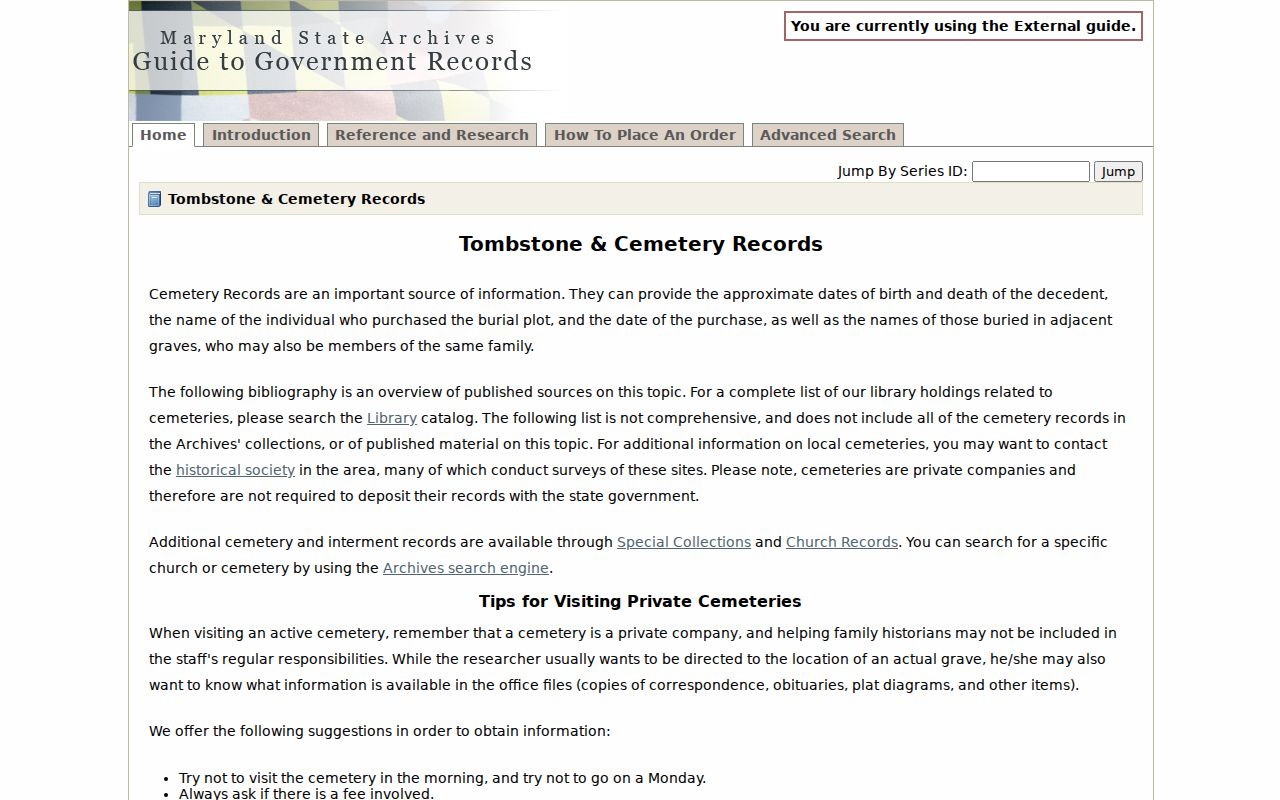
A cemetery point or card offers a name, a place, and a date. That is a lead. It proves no residence and names no full household at the Fairland address.
Pair Fairland Directories With Census Years
Past residents are not always prior owners. A dated directory may place a household at an address, while a deed concerns only the land. The holdings run deep. The Silver Spring Historical Society keeps Nelson’s Washington Suburban Directory for 1912, 1916 through 1918, and 1923, plus Polk’s for 1927 through 1928 and 1930 through 1931. Its selected Polk Silver Spring City Directory years run from 1954 through 1973, and a community phone book continues from 1995 onward. Listings often use Silver Spring or Burtonsville instead.
- Record the publisher, year, page, name as printed, street form, and community label in the directory.
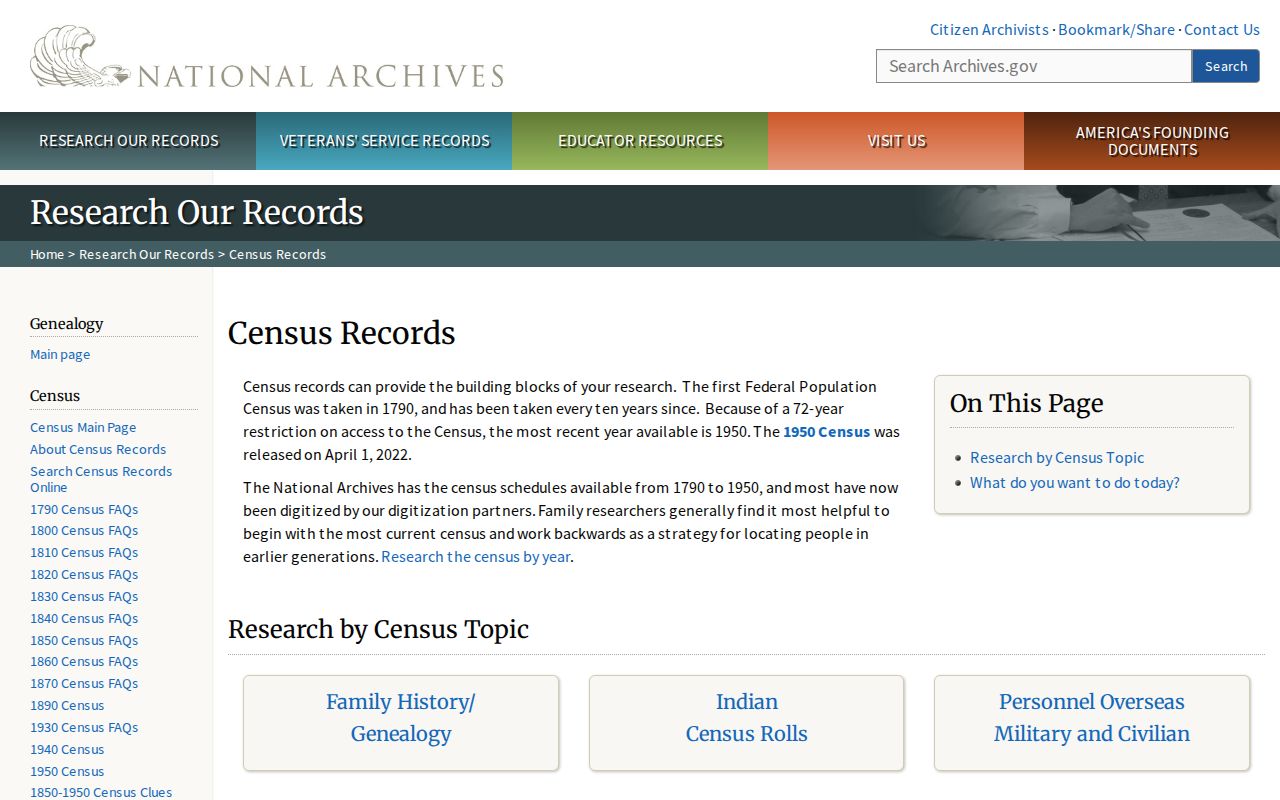
- Check a nearby census year through the National Archives census records, which are publicly available through 1950 under the 72-year rule.
- Compare the directory address to the legal description, map, or deed, not merely to a modern CDP label.
- Use newspaper notices, probate, or a permit only when its date and address connect it to the same parcel or household.
A criss-cross directory works in reverse. Names do not lead to addresses here. The street address leads to names instead. That flip makes it a favorite tool for tracing past residents in a city directory hunt, because you can start from a house and work outward. Dated print volumes do carry gaps, stale listings, and old postal labels, so pair them with other records when you can. The Fairland city directory collections describe the historical holdings in full.
Fairland Permits Date Parcel Activity
The county's permit data search starts with a street number and name. Direction, suffix, city, and ZIP are optional. There are other routes in, too. Search by ZIP and street, permit number, permit type, or application date. A hit opens application, review, inspection, license, and status detail. The permit record puts an official event at an address. No household is named.
Permits also work as a date check. Slot the permit sequence between a deed and a directory entry. That shows whether the timeline holds. A new application or inspection proves activity, not residency. Note the portal's address normalization and date format as displayed. For older activity, ask the custodian which files exist under the Maryland Public Information Act. The online results may not be complete.
Close a Fairland Household Trail Carefully
Probate explains many transfers. The Maryland Estate Search finds probate entries statewide by estate number, name, county, status, type, date, and party role. The Montgomery County Register of Wills holds the proceedings. Montgomery History adds depth with wills abstracts, marriage material, church records, the Sentinel from 1855-2020, the Gazette from 1960-2015, and tombstone cards from 111 cemeteries and family burying grounds. Treat each as a lead back to the underlying record.
For household context, the National Archives census records page is the official starting point for census research.
Every dated record contributes one narrow fact. A timeline keeps them honest. Log the source, the retrieval date, the place label, and exactly what the document says. That discipline stops a family-history lead, a property event, and a current address from merging into an unsupported conclusion.
Fairland Previous Residents Need Boundaries
Past-resident research serves house history, family history, heir searches, and local history well. Public records still have limits. The Safe at Home Address Confidentiality Program shields an eligible resident's actual address behind a substitute one. A missing result should never be reverse-engineered. Recent vital records carry entitlement rules of their own. Voter rolls, land records, maps, permits, and directories each expose a different slice of the story.
Lawful use. Fairland previous-resident research belongs to personal, historical, and family questions. Do not use records to stalk, harass, intimidate, or harm a living person.
Note: Keep names tied only to the document and date that support them. Confirm uncertain links with the record custodian.